The Role of CCTV on Offshore Platforms
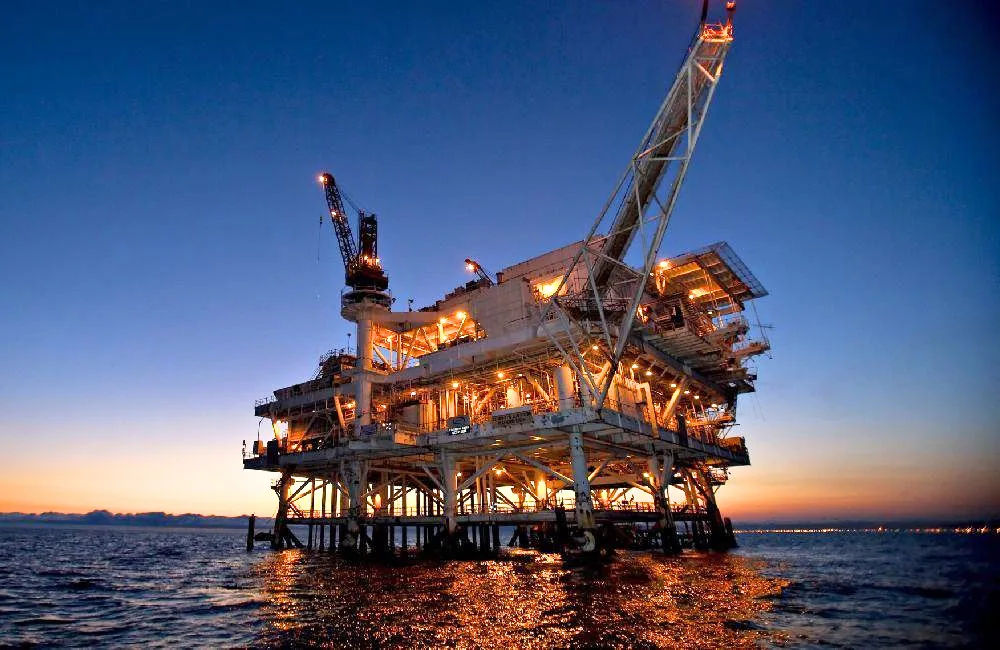
Offshore oil and gas platforms operate in some of the most demanding industrial environments anywhere. Workers are far from emergency response, the platform itself is exposed to weather and corrosion, and the process hazards include hydrocarbons, high pressures, and flammable atmospheres. CCTV surveillance is one of several layers that protect personnel, assets, and operations on these facilities.
This article covers CCTV monitoring across the main offshore platform types, the zones that need coverage, the environmental and certification considerations, and the standards that apply. It is intended as a high-level pillar reference. For deeper coverage of specific topics, see the companion articles on thermal imaging, edge CCTV, and FLNG surveillance.
Offshore Platform Types and What They Need
Fixed Jacket Platforms
Fixed jacket platforms are bottom-founded steel structures used in shallow water (typically up to around 400 metres depth). They are stable, have predictable vibration profiles, and are usually staffed continuously. Surveillance requirements focus on perimeter, process areas, accommodation, helideck, and the boat landing area.
Semi-Submersible Platforms
Semi-submersible platforms float on submerged pontoons and are used for deepwater drilling and production. They move with the sea, which affects camera mount design and image stability requirements. Image stabilization features in cameras become more important than on fixed platforms.
Jack-Up Rigs
Jack up rigs have legs that are lowered to the seabed during operation, raising the hull above the waves. They are mobile and frequently relocated between drilling sites. Surveillance systems on jack ups need to be robust against the stresses of jacking operations and the transit between sites.
FPSO Vessels
Floating Production Storage and Offloading (FPSO) vessels are converted or purpose-built tankers that produce, process, store, and offload oil and gas. They have all the surveillance requirements of a fixed platform plus a hull, a turret mooring system (in many cases), and offloading equipment.
Drillships
Drillships are ship-shaped vessels equipped for deepwater drilling. They use dynamic positioning rather than fixed mooring. Surveillance requirements include all the process and safety areas of a drilling operation plus the marine operations of a vessel underway.
FLNG
Floating LNG facilities are covered in a separate article due to the additional complexity of cryogenic LNG handling. See the FLNG surveillance guide for the specific considerations that apply to FLNG vessels.
Zone by Zone Camera Coverage
A typical offshore platform surveillance design covers the following zones, with specific camera types selected for each.
Perimeter and Boat Landing
Cameras at the platform perimeter monitor for unauthorized vessel approach, support vessel operations, and man overboard events. Thermal cameras paired with PTZ visible light cameras provide both detection range and identification capability. The boat landing area needs cameras that can monitor crew transfers safely.
Helideck
Helideck cameras must meet CAP 437 (UK) or equivalent national civil aviation requirements. Coverage includes the landing area, the approach path indicators, and the immediate surroundings. Cameras here are typically standard marine grade rather than hazardous area certified, since the helideck is positioned away from process zones.
Drilling Floor and Mud Pit Area
On drilling rigs, the drill floor and mud pit area are operational zones with high activity and significant safety considerations. Cameras here monitor crew movement, equipment operation, and dropped object zones below crane lifts. These areas are typically Zone 2 hazardous areas.
Process Areas
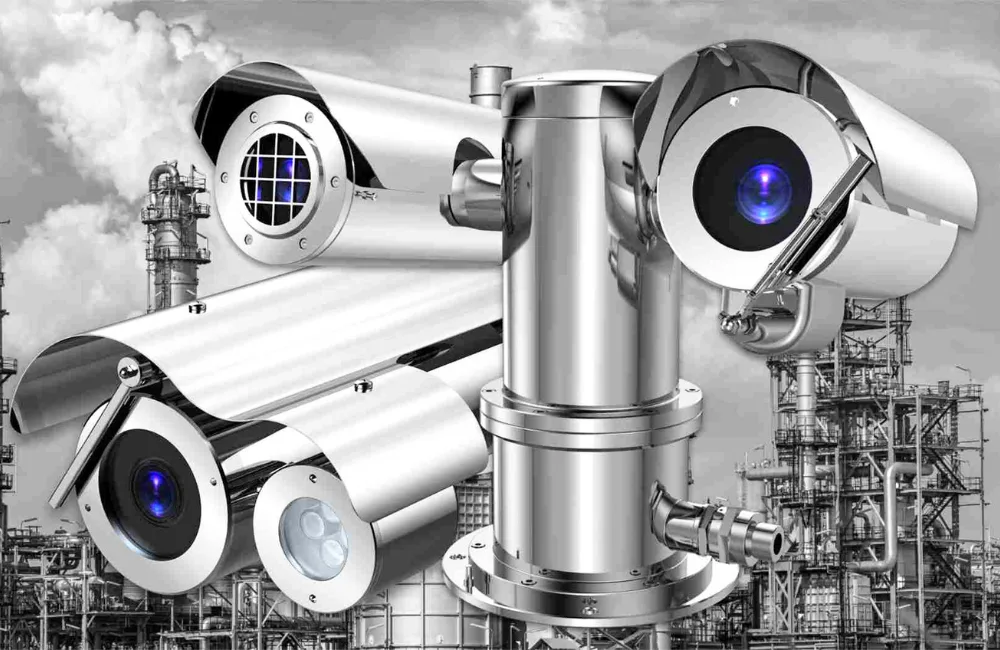
Process areas containing wellheads, separators, compressors, and other hydrocarbon handling equipment are typically Zone 1 areas. Cameras need full hazardous area certification, robust housings, and placement that allows monitoring without obstructing access for maintenance.
Accommodation Block
The accommodation block houses the crew and includes the galley, cabins, recreation areas, and emergency muster stations. Surveillance focuses on access control, common area monitoring, and muster point coverage during emergencies. The accommodation block is typically outside the hazardous zones, so standard cameras are acceptable internally.
Pump Rooms, Compressor Houses, and Enclosed Process Spaces
Enclosed process spaces with limited ventilation are Zone 1 areas. Cameras here need full hazardous area certification with appropriate gas group ratings.
Moonpool, Turret, and Riser Areas (FPSO and Drillship)
FPSOs and drillships have subsea connection zones that need monitoring during connection and disconnection operations. These areas combine marine exposure with potential hydrocarbon presence and need cameras with both high IP ratings and appropriate certifications.
Environmental Considerations
All outdoor cameras on offshore platforms face a similar set of environmental challenges.
Salt corrosion is the dominant durability concern. 316L stainless steel housings, marine grade cable glands, and proper sealing of all penetrations are non-negotiable.
Vibration from drilling equipment, generators, and process machinery affects mounting design and camera longevity. Vibration tolerance testing per relevant IEC standards should be a specification requirement.
Electromagnetic interference (EMI) from large generators and variable frequency drives can affect camera signal integrity. Shielded cabling and proper grounding practices matter.
Temperature extremes range from sub-zero conditions on North Sea platforms to high heat in tropical operations. Cameras should be specified for the actual operating temperature range, including any ice and frost considerations.
Standards That Apply
Offshore CCTV specifications reference several standards depending on jurisdiction and platform type. Common references include IEC 60079 for hazardous area equipment, SOLAS for general marine safety, MODU Code (Code for Construction and Equipment of Mobile Offshore Drilling Units) for drilling units, API RP 754 for process safety performance indicators, CAP 437 or equivalent national rules for helidecks, and class society rules from ABS, DNV, Lloyd’s Register, or Bureau Veritas.
Local regulatory bodies also impose requirements. NOPSEMA in Australia, BSEE in the United States, the Norwegian Maritime Authority, and the UK Health and Safety Executive all publish guidance that affects offshore surveillance design.
Integration with Other Platform Systems
CCTV on an offshore platform does not operate in isolation. It integrates with the public address and general alarm (PA/GA) system, the emergency shutdown (ESD) system, the fire and gas (F&G) detection system, and the platform’s marine VHF and radio systems. AI-enabled cameras add further integration possibilities. For coverage of AI in surveillance, see the AI industrial CCTV guide. For the architecture that powers these integrations on remote sites, see the edge-based CCTV guide.
How an Offshore Surveillance Design Comes Together
A complete offshore CCTV specification develops alongside the platform design and the safety case. The hazardous zone drawings from the HAZID review determine the camera certification requirements zone by zone. The operational philosophy determines the resolution, frame rate, and analytics requirements. The integration requirements with other safety systems determine the protocols and interfaces. The environmental data for the site determines the IP, material, and temperature specifications.
Getting this right at the design stage is far cheaper than retrofitting later. Mobilization costs to install or replace cameras on an offshore platform are substantial, and time on a working platform is at a premium.
Offshore CCTV monitoring is a mature engineering discipline, with established standards, certified equipment, and proven design patterns. The challenges are real, but they are well understood. Operators starting a new offshore project have access to a deep pool of expertise and a wide range of certified products to choose from.
The pitfalls to avoid are usually about specification rather than equipment. Choosing the wrong certification level for the zone, underspecifying the corrosion protection, or neglecting integration with other safety systems are the most common sources of project rework. A clear specification developed alongside the safety case avoids most of these issues.