The Confusion Between Low-Light, Infrared, and Thermal
Three different camera technologies are commonly grouped under the loose label of night vision. Low-light cameras use highly sensitive visible light sensors to capture usable images in very dark conditions. Infrared cameras add an illuminator that floods the scene with near-infrared light that humans cannot see. Thermal cameras detect heat signatures and produce an image even in complete darkness.
All three have their place in industrial surveillance, but they solve different problems. Picking the wrong one for a site can result in either wasted budget or footage that fails to identify a person at night. This article focuses on low-light cameras specifically and explains where they sit alongside the other two technologies.
Understanding Lux Levels
Lux is the unit used to measure how much light falls on a surface. Knowing the lux level of a site at night is the starting point for choosing a low-light camera.
Direct sunlight measures around 100,000 lux. A typical office at 500 lux. A well-lit street at night around 10 lux. A dim industrial walkway at 1 lux. Moonlight at 0.1 lux. Overcast moonless night at 0.001 lux, sometimes called starlight conditions.
A standard surveillance camera typically needs 1 to 5 lux to produce a usable colour image. A low-light camera can produce a usable image at 0.01 lux or lower. A camera rated as starlight typically operates down to 0.001 lux. The difference between these tiers is dramatic in practice, and the cost difference between them has narrowed significantly over the past five years.
Sensor Technology Behind Low-Light Performance
Three sensor characteristics drive low-light performance. The first is sensor size, typically expressed as a fraction such as 1/3 inch or 1/1.8 inch. Larger sensors gather more light per pixel and perform better in low light. The second is pixel pitch, which is the physical size of each pixel on the sensor. Larger pixels mean more light captured per pixel, at the cost of overall resolution. The third is the sensor architecture, where back-side illuminated (BSI) CMOS sensors outperform older front-side illuminated sensors by a significant margin.
A 1/1.8-inch BSI CMOS sensor at 4-megapixel resolution will typically outperform a 1/3-inch sensor at 8-megapixel resolution in a dimly lit refinery yard. Higher resolution does not always mean better images in low light. The sensor specification matters more than the megapixel count.
When to Choose Low-Light Over Infrared or Thermal
Low-light cameras work best when the goal is to preserve colour information at night. A perimeter camera that needs to read the colour of a vehicle, identify clothing, or capture licence plates benefits from low-light technology. Colour gives investigators and identification systems more to work with.
Infrared illumination is the right choice when there is essentially no ambient light and colour information is not critical. The image is monochrome but sharp, and the cost per camera is lower. Range is limited by the power of the illuminator, typically 20 to 100 metres.
Thermal cameras are the right choice when detection of presence matters more than identification, when there is fog or smoke that defeats other technologies, or when the target itself emits heat, such as gas leaks or overheated equipment. Thermal cameras produce a heat map, not a recognisable visual image of a person.
Industrial Scenarios for Low-Light Cameras
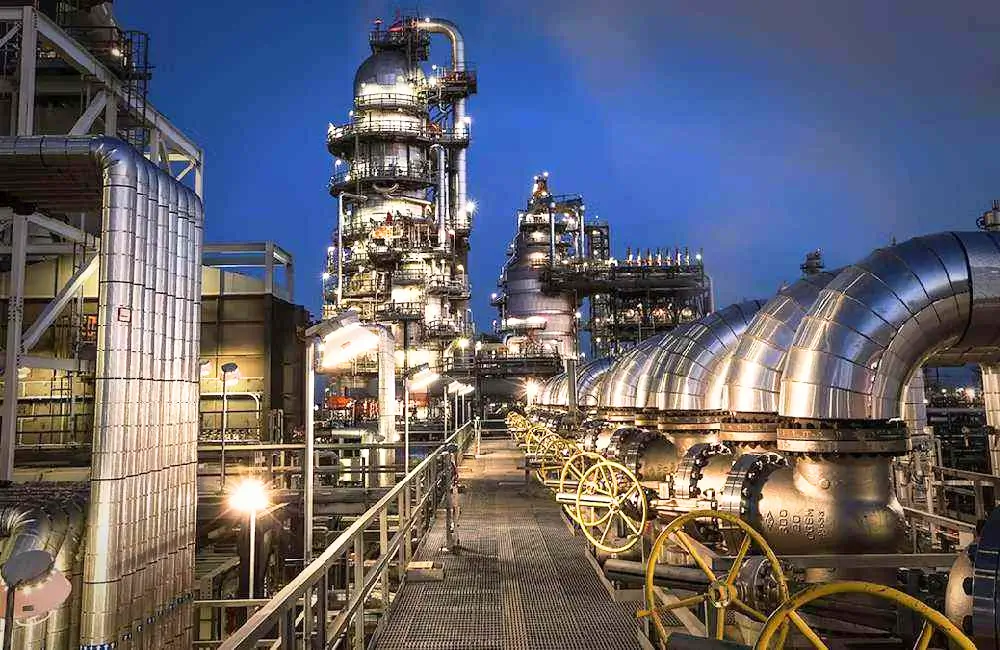
Perimeter monitoring at refineries and tank farms is the most common use case. The perimeter fence is usually lit to some degree, often around 1 to 5 lux from sodium or LED lighting. A low-light camera in this environment delivers colour identification of intruders and vehicles, which is what security and forensic investigations typically need.
Dimly lit walkways and stair towers on offshore platforms are another fit. Maritime lighting standards require minimum illumination but not bright lighting. A low-light camera produces usable colour footage of any person crossing a walkway, where a standard camera would deliver near-black images.
After-hours monitoring of storage yards, container terminals, and warehouse exteriors all benefit from low-light cameras. These sites have partial lighting from security lamps but rarely enough for standard cameras. Low-light cameras deliver colour identification without the cost of installing additional lighting.
Pairing Low-Light with Thermal
The most effective night surveillance setups combine low-light and thermal cameras at the same vantage point. The thermal camera detects presence reliably regardless of lighting conditions. The low-light camera then provides the colour identification needed for response and investigation. For deeper coverage of thermal applications, see the thermal imaging guide.
Hazardous Area Considerations
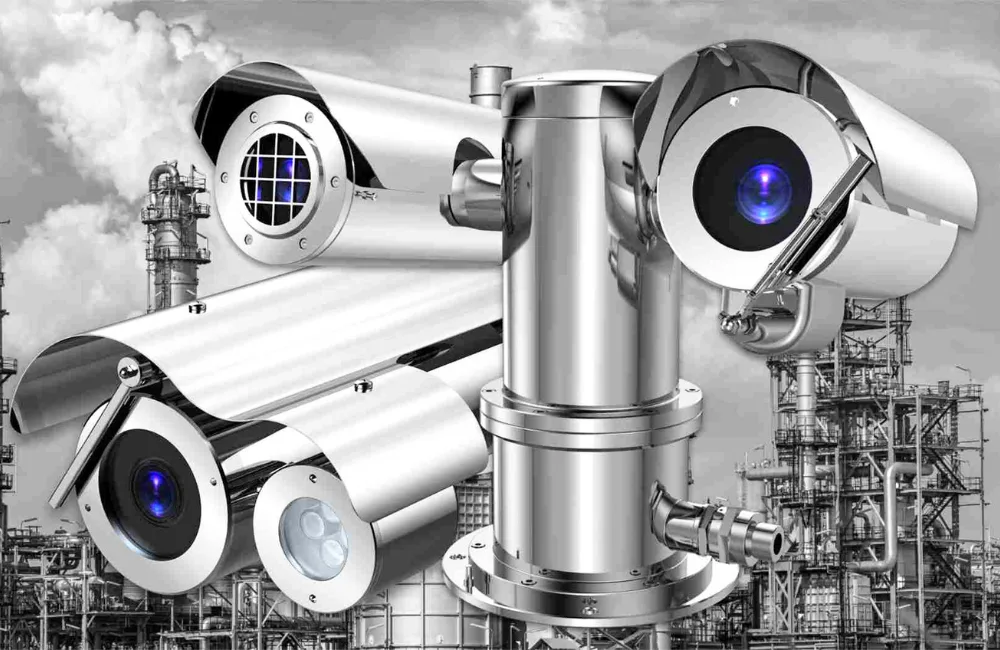
Low-light cameras for oil and gas applications must carry the relevant hazardous area certifications, in the same way as any other camera installed in Zone 1 or Zone 2 areas. The sensor itself does not change the certification requirement. The housing, gland entries, and any integrated illumination must all be certified together as a unit. ATEX and IECEx remain the dominant standards for international projects, with Class I Division 1 and Division 2 used in North American jurisdictions.
One specification trap to watch for is hybrid cameras that include both a visible-light low-light sensor and an infrared illuminator. The illuminator must be intrinsically safe or certified for the relevant zone. A camera body certified for Zone 1 with an uncertified illuminator is not compliant as a complete unit.
The Difference Between a Good and Poor Low-Light Camera
A handful of details separate a low-light camera that performs from one that disappoints. The minimum scene illumination in lux sets the floor for where the camera still produces a usable image. The output type matters too, since some scenes need colour, some only black and white, and many need both depending on conditions. Sensor size and architecture drive raw light-gathering ability, which is why they matter more than headline resolution.
Resolution and frame rate should always be read at the minimum lux level rather than at full daylight, because that is where a weak camera falls apart. And the hazardous area certification has to cover the complete unit, not just the camera body.
Low-light cameras have become much more capable and much less expensive over the past few years. For any site with partial nighttime lighting, they are the right choice over standard cameras for outdoor monitoring after dark. The key is matching the camera specification to the actual lux level at the site, not to a generic marketing claim of starlight performance.
For sites with no nighttime lighting at all, thermal cameras paired with low-light cameras give the best overall result. The thermal handles detection, the low-light handles identification. Together they cover the gaps that any single technology leaves open.